
Author:
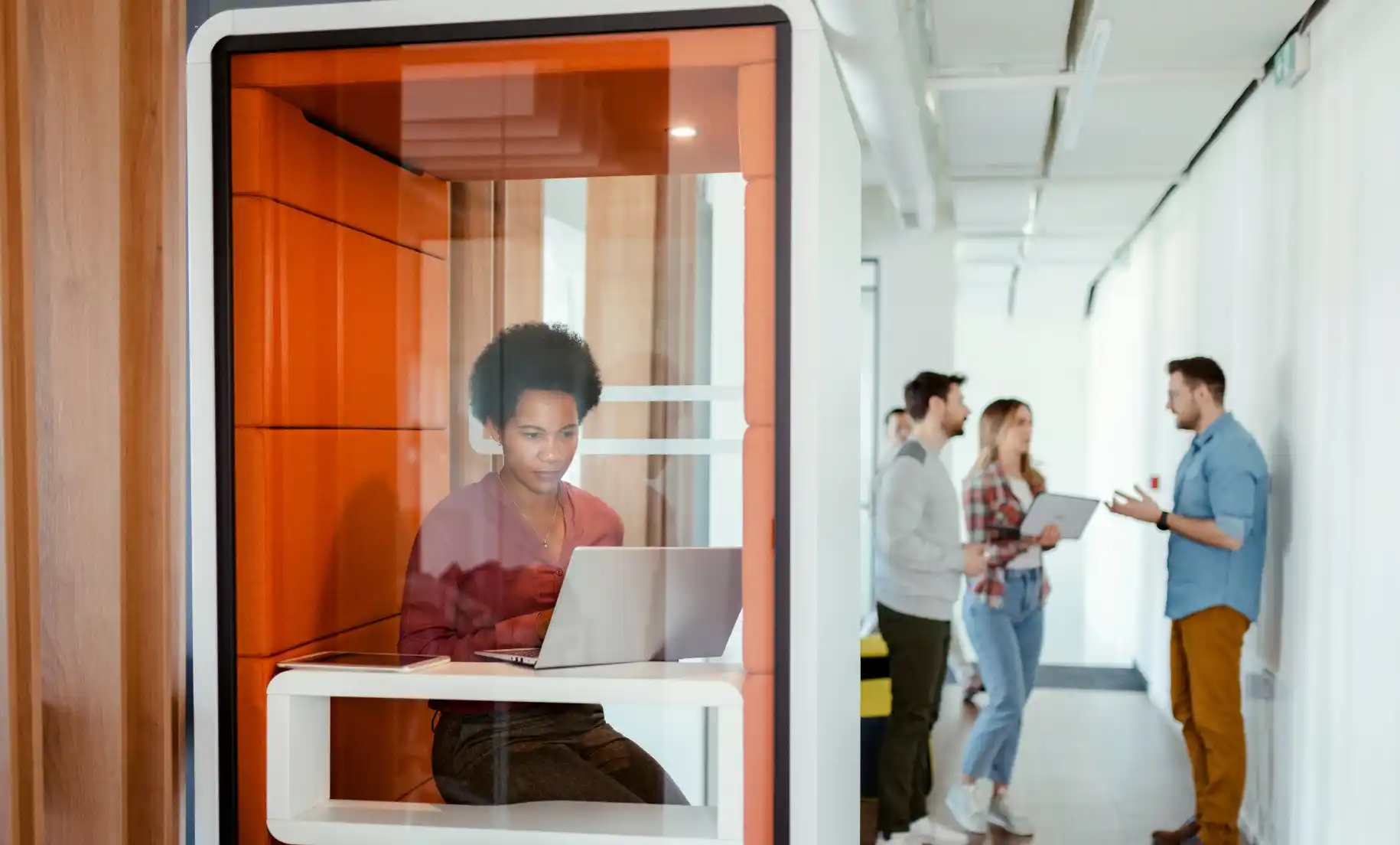
Every day, offices deal with the same small problem that slowly becomes a big one: too many calls, not enough quiet corners, and meeting rooms booked for conversations that could have lasted ten minutes.
Then someone on the team says, “Why don’t we just buy an office pod?” Then, suddenly, another question appears: should you buy a new one or save money with a used one?
A used pod can feel like a smart solution, especially for a growing company saving every dollar. But once you think about wear, soundproofing, ventilation, warranty, delivery, and installation, the cheaper option may not always be the easier one.
Here is a quick comparison table:
Factor | Used Office Pod | New Office Pod |
|---|---|---|
Price | Usually cheaper upfront, often 20%–50% below the original retail price. | Higher upfront cost, but pricing is clearer and easier to compare. |
Condition | May have scratches, worn panels, older acoustic materials, or missing parts. | Comes in fresh condition with new materials, finishes, and components. |
Warranty | Often limited, expired, or not transferable. | Usually includes a manufacturer's warranty and better support. |
Customization | Limited to the existing size, color, layout, and features. | Easier to choose finishes, size, lighting, ventilation, power setup, and branding. |
Installation | May require extra work if parts are missing or the pod was disassembled poorly. | Usually delivered with professional installation and clear setup instructions. |
Lead time | Can be faster if the pod is available locally. | May take longer depending on production, shipping, and customization. |
Acoustic Performance | Can still perform well, but depends on age, condition, and how it was reassembled. | More predictable acoustic performance with newer materials and tested specs. |
Best for | Companies that want to save money and can inspect the pod before buying. | Companies that want reliability, warranty, customization, and a cleaner long-term investment. |
Upfront Cost and Total Long-Term Value
Buyers save between 30% and 50% on the initial purchase price when choosing a secondhand unit. Evaluating a used vs. new office pod requires looking past that immediate discount. A new model carries a higher standard office pod cost, but it includes modern parts that will not fail for years.
A secondhand booth might need an expensive ventilation fan replacement within the first six months.
Material Quality and Overall Condition
Constant daily use degrades interior fabrics and seating surfaces within 12 to 18 months. New office pods arrive with pristine interior panels, scratch-free glass, and spotless work desks. Secondhand models almost always display physical wear from the previous owners.
So as a buyer, you should check a used unit for deep scratches on the door frame, stains on the acoustic felt, and worn-out hinges. Minor cosmetic damage rarely affects functionality, but heavy wear makes the workspace feel cheap and uninviting to the staff.
Acoustic Performance and Sound Insulation
A 2-millimeter break in a door seal allows 50% of background noise to enter the booth. True office noise reduction solutions depend entirely on perfect airtight seals. Fresh units feature brand-new rubber gaskets and fully intact acoustic panels that completely block sound.
Secondhand booths often suffer from compressed door seals and misaligned hinges that let speech travel right through the glass. Before you buy an office pod on the secondhand market, test the doors to ensure the acoustic performance remains intact.
Warranty Coverage and After-Sales Support
Standard factory warranties cover structural parts and electrical components for 3 to 5 years. Purchasing a brand-new booth guarantees the manufacturer will replace a broken light panel or a dead ventilation fan at zero cost.
Used units usually sell completely "as-is" or carry a very short 30-day guarantee from a liquidator. If a major electrical failure happens in a secondhand model, the buyer pays the full retail price for replacement parts and specialized labor.
Customization and Design Options
Ordering directly from the factory gives buyers access to over 20 different color and material combinations. Companies that customize office pods ensure the new booth perfectly matches their corporate branding and physical floor plan.
Buying a used model limits choices to whatever the previous owner selected. If a business needs a specific exterior color or upgraded power outlets for heavy digital work, ordering a fresh, custom-built unit remains the only reliable path.
Delivery Time and Installation Requirements
Shipping a fully assembled heavy pod requires freight logistics that often take 2 to 4 weeks. New models arrive flat-packed directly from the warehouse, making it easy to carry the pieces through standard doors and narrow hallways.
Buyers must measure their available office pod dimensions carefully, as moving a pre-assembled used pod often involves removing physical building doors or using specialized moving equipment. Flat-packed new units build quickly on-site without heavy disruption.
Maintenance Needs and Repair Risk
Commercial ventilation fans run for an average of 40,000 hours before internal bearings begin to fail. A used booth already has thousands of hours logged on its internal electrical system. Fans start making a loud humming sound, and LED light strips begin to flicker over time.
New models feature zero hours of use, providing years of maintenance-free operation. Choosing a secondhand unit carries the risk of immediate electrical repairs that halt daily use.
Expected Lifespan and Resale Value
High-quality acoustic booths hold their structural integrity for 10 to 15 years under normal office conditions. The best office pods on the market hold strong resale value, allowing companies to recoup some of their investment if they eventually move buildings.
A brand-new pod will last a full decade for the first owner. A used pod, on the other hand, already sits halfway through its life cycle, meaning it will require complete replacement much sooner and carry minimal resale value later.
When a Used Office Pod Makes the Most Sense?
Startups operating on short 12-month lease agreements save thousands of dollars by selecting secondhand units. A used acoustic pod serves as a highly effective temporary fix for rapid team expansions where immediate call privacy matters more than flawless aesthetics.
Companies testing the concept of modular architecture for the first time deploy a used model to observe staff behavior before committing to a massive capital investment.
Acquiring a refurbished unit also supports sustainable business practices by keeping heavy manufacturing materials out of landfills. If physical appearance ranks lower than immediate acoustic relief, the secondhand market delivers a functional, budget-friendly workspace.
Buyers willing to perform minor maintenance on hinges and fans gain an affordable, quiet zone that instantly eliminates loud background noise.
When a New Office Pod Is the Better Choice?
Corporate headquarters securing 10-year facility plans demand the guaranteed 40,000-hour operational lifespan of brand-new electrical components.
A factory-fresh unit delivers total reliability in high-traffic environments where a broken fan or a faulty door hinge can cause major workflow delays. Purchasing a new model gives buyers complete control over interior fabrics and exterior colors to perfectly match specific corporate branding guidelines.
Organizations handling highly sensitive client data, such as law firms or medical offices, must guarantee maximum sound insulation. Only a brand-new unit with perfect, uncompressed rubber door seals provides complete acoustic isolation.
For businesses prioritizing long-term durability, pristine interior conditions, and zero maintenance headaches, ordering a new model represents a highly secure financial investment.
The Best Choice Often Depends on Where the Pod Will Go
Based on our experience, Ppacement dictates 80% of the visual impact an office pod has on a facility. A unit installed directly in a main client reception lobby or an executive boardroom must look completely flawless.
In these high-visibility areas, a brand-new model guarantees pristine glass, spotless fabric, and perfect alignment with the surrounding decor. Placing a scratched or faded secondhand booth in a premium location makes the entire company look unprofessional to visiting partners.
On the other hand, units placed in high-traffic employee break rooms, back-office engineering departments, or warehouse floors do not require perfect aesthetics. In these purely functional zones, staff care only about acoustic isolation.
A used booth with minor cosmetic damage performs perfectly well tucked in a quiet corner away from public view. Assessing the pod’s physical location helps businesses decide whether paying a premium for an untouched exterior yields a real return on investment.
Used vs. New Office Pod for Different Types of Buyers
Purchasing strategies vary significantly depending on the size of the business and the facility's daily traffic. Evaluating the daily workflow helps match the correct booth condition for the buyer.
Fast-Growing Startups on Tight Budgets
New companies often sign short 12-month to 24-month lease agreements. Spending massive amounts of capital on brand-new furniture drains funds needed for core product development.
For these buyers, a secondhand office pod provides the necessary quiet space at a fraction of the cost. The used unit solves immediate noise problems and can be easily moved or liquidated when the startup relocates to a larger headquarters.
Enterprise Corporations with Strict Branding
Large organizations manage fleets of 50 or more booths across multiple floors. These buyers demand absolute uniformity in color, size, and material. A secondhand market cannot supply 50 identical, perfect-condition booths at once.
Buying new allows corporate facility managers to customize exterior colors to match company branding and ensures that every single unit operates under the same manufacturer's warranty.
Co-Working Space Operators
Shared workspaces see 5 to 10 different users occupy a single booth every day. This extreme volume of traffic destroys cheap materials and heavily wears down door hinges. Co-working operators need the highest available commercial-grade durability.
Purchasing new units gives these buyers access to the latest ventilation technology, heavy-duty hardware, and immediate factory replacement parts when components inevitably break under heavy public use.
The Bottom Line
Choosing between a used and a new office pod comes down to balancing immediate capital needs with long-term reliability. A secondhand unit keeps initial costs low and solves urgent privacy needs for temporary setups. A factory-fresh model guarantees perfect sound isolation, customized design, and years of maintenance-free operation under a full warranty.
Buyers must evaluate their daily traffic, lease length, and aesthetic standards before making a final purchase. A well-planned investment ensures the staff receives a functional, quiet workspace that handles daily operations without requiring constant repair.
Are Used Office Pods Worth It?
A high-quality used office pod retains up to 80% of its original structural integrity after two years of use. Buying secondhand makes financial sense for companies needing immediate acoustic relief on a strict budget.
As long as the door seals remain intact and the ventilation fans operate smoothly, a refurbished unit blocks background noise just as well as a brand-new model. Careful inspection prevents buyers from acquiring units with hidden electrical damage or degraded soundproofing materials.
How Much Can I Save by Buying a Used Office Pod?
Buyers typically save between 30% and 40% off the original retail price when purchasing secondhand office pods. A standard single-person unit that costs $5,000 new often sells for $2,500 to $3,500 on the resale market.
However, buyers must factor in potential shipping logistics costs and minor repair expenses, which slightly reduce the overall financial advantage.
Do Used Office Pods Come With a Warranty?
Standard manufacturer warranties rarely transfer to the second owner of an office pod. Most secondhand units are sold as-is, with no long-term guarantee.
Some specialized liquidators and professional refurbishment companies offer a short 30- or 90-day protection plan covering basic electrical components such as fans and lights. Buyers assume the full financial risk for any major structural or electrical failures that happen after the final installation.
How Long Does a Used Office Pod Usually Last?
A well-maintained commercial pod has an operational lifespan of 10 to 15 years. If a buyer purchases a pod that is three years old, they can expect another seven to twelve years of reliable daily use.
The internal electrical parts, specifically the ventilation fans and LED drivers, usually fail long before the metal frame or glass panels degrade. Replacing these small hardware parts keeps the secondhand unit functioning properly for over a decade.
Can a Used Office Pod Still Provide Good Sound Insulation?
A used pod maintains its standard 30-decibel noise reduction rating only if the rubber door seals remain completely uncompressed. Sound insulation depends entirely on creating an airtight physical space. If the previous owner warped the door hinges or tore the interior acoustic felt, speech will easily escape the booth.
Can I Customize a Used Office Pod?
Modifying a secondhand booth involves a manual process with highly limited aftermarket options. Buyers cannot order specific exterior colors or upgraded furniture layouts from the original manufacturer once the unit leaves the factory.
Adding new power outlets or changing the internal lighting requires specialized electrical work, which quickly increases the unit's total cost.
Are Office Pods a Good Long-Term Investment?
Absolutely! Installing modular office pods directly increases daily staff output by providing an immediate escape from heavy background noise. Office pods are highly flexible physical assets because companies can pack them flat and move them to a new building.
Building permanent drywall conference rooms costs thousands of dollars in construction permits and provides zero return on investment when a commercial lease ends. Office pods solve daily privacy problems instantly and retain significant resale value on the secondary market.