
Author:
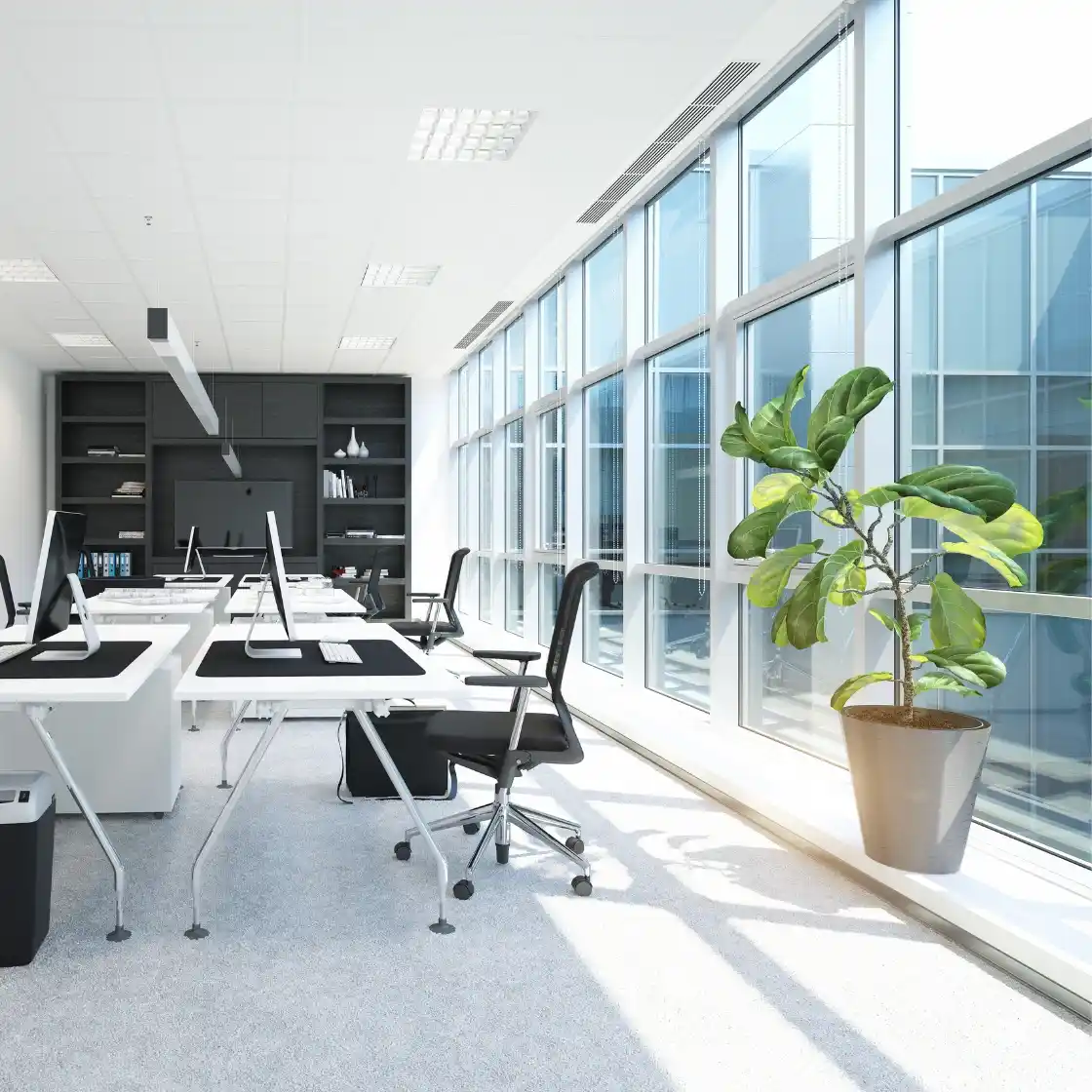
Workplace noise remains the single biggest complaint for employees in open-plan layouts. Constant chatting, echoing video calls, and the hum of machinery force the brain to work harder just to maintain concentration.
Many businesses believe that addressing these distractions in the workplace requires tearing down walls or spending a fortune on structural changes.
However, learning how to soundproof an office often involves addressing how sound waves reflect off hard surfaces rather than rebuilding the entire facility. Strategic additions like acoustic panels, soft textures, and smart layout shifts can significantly reduce decibel levels.
In this guide, I’ll share practical, low-disruption strategies to trap noise and create a quiet environment that supports better focus and daily performance.
First, Find Out What Kind of Noise You’re Dealing With
Companies waste thousands of dollars on the wrong materials because they didn't identify the specific source of their acoustic frustration. Sound travels in two distinct ways, and your solution depends entirely on which one is causing the issue.
First, you have airborne noise, which includes voices, ringing phones, and music. This sound travels through the air and leaks through gaps in doors or thin walls.
Second, you have impact noise, such as footsteps on a hard floor, a vibrating printer, or furniture dragging across the room. These vibrations travel through the building's physical structure.
Before you look for office noise reduction solutions, spend a day auditing your space. Walk the floor during peak hours and listen closely. Do you hear the sales team’s conversations through a shared wall, or is the main issue the echo from the concrete ceiling?
If the problem is sound from the hallway, you need to seal gaps. If the problem is an echo chamber effect, you need to soften the surfaces. Pinpointing the type of noise prevents you from buying heavy soundproofing panels when all you really need is a set of acoustic baffles.
Soundproof vs. Sound Absorption: The Distinction Most People Miss
If you want to know how to soundproof an office, you must understand that soundproofing and absorption solve two different problems.
Soundproofing is about blocking sound from entering or leaving a room. This is a critical consideration when determining the right meeting room size for your needs; smaller rooms with thin walls often suffer from sound leakage, whereas larger boardrooms require heavier structural soundproofing to keep internal discussions private.
Sound absorption, on the other hand, is about improving the quality of the sound inside the room. Hard surfaces like glass, metal, and concrete cause sound waves to bounce, creating a reverb that makes it hard to understand speech. Materials like acoustic felt, foam, and carpet absorb these waves, stopping the echo and making the room feel quieter and calmer.
Most modern offices need better absorption to improve productivity, rather than full structural soundproofing. Mixing both techniques allows you to create a space where conversations stay private, and background noise doesn't travel across the entire floor.
The Fastest Wins: Low-Disruption Changes That Make an Office Quieter Right Away
You do not need to shut down your business for a week to see a massive improvement in your acoustics. Small, tactical changes to the existing environment often provide immediate noise relief in most modern buildings.
Add Rugs, Carpet Tiles, and Soft Surfaces
Hardwood, polished concrete, and tile floors are major acoustic offenders because they reflect nearly 100% of sound waves. If your current budget does not include ripping up the floor, adding high-pile area rugs or heavy-duty carpet tiles is the best alternative.
The soft surfaces trap the sound of clicking heels and dragging chairs before they can bounce off the ceiling. Covering just 25% of a hard floor with soft textiles can noticeably lower the ambient noise level in an open-plan room.
Use Curtains, Wall Textiles, and Upholstered Furniture
Glass walls and large windows look great, but they reflect sound sharply. You can solve this by hanging thick, floor-to-ceiling acoustic curtains. These drapes are heavy, multi-layered fabrics specifically designed to catch sound.
Similarly, replacing plastic or wood lobby chairs with upholstered seating adds more softness to the room. Every fabric-covered surface acts as a tiny sponge that pulls noise out of the air.
Reposition Desks to Reduce Direct Noise Paths
Sound waves travel in straight lines. If your desks are lined up in long, uninterrupted rows, sound will carry from one end of the office to the other with zero resistance. Angle your desks so that people are not speaking directly toward a flat, reflective wall. Changing the orientation of a workstation by just 90 degrees can prevent a voice from carrying into the neighboring department’s focus zone.
Move Loud Equipment Away From Focus Zones
It sounds obvious, but industrial-sized printers, coffee machines, and server cooling fans should never sit right next to desks meant for deep concentration. These machines create a constant white noise that raises the office's baseline volume.
Move these items into a dedicated utility closet or a separate break room. If a piece of equipment must stay on the floor, place it behind a thick barrier to block the direct sound path.
Use Bookshelves, Storage Units, and Partitions
You can improve your office space by using your existing furniture as acoustic barriers. Tall, open bookshelves are excellent at diffusing sound waves, breaking them up so they don't bounce back as a clear echo.
Similarly, dense storage cabinets can act as a physical wall between a loud collaborative zone and a quiet work area. If you use partitions, ensure they are at least 60 inches tall; short dividers do little to prevent speech from traveling over the top.
Seal Door Gaps and Small Openings
If you can see light under a door, sound is definitely getting through. Air leaks are the primary path for airborne noise, such as conversations. Use heavy-duty weather stripping or automatic door bottoms to seal the gap between the door and the floor.
Sealing these small openings is the single most effective way to improve the privacy of a private office without touching the actual walls. It is a low-cost fix that makes a massive difference in how much noise leaks into the hallway.
Start With the Ceiling, Floor, and Walls if You Want the Biggest Acoustic Shift
The largest surfaces in a room are responsible for the most significant noise issues. If you leave these surfaces bare, you are essentially working inside a giant drum. To achieve a major acoustic shift, you must treat these areas with materials that break up sound reflections.
For the ceiling, hang acoustic baffles. These are vertical or horizontal panels made of compressed felt or foam that catch sound as it rises, preventing it from bouncing back down onto the desks.
On the walls, you should install acoustic panels at the level where most voices are projected. If your budget for office renovation costs is tight, focus on the walls that face the loudest team members first.
Finally, for the floors, even if you cannot install wall-to-wall carpet, placing thick acoustic underlayment beneath area rugs can stop impact noise from traveling through the building's structure.
Desk Layout Can Quiet an Office More Than People Think
Smart office space planning is a zero-cost way to lower decibel levels. Most managers arrange desks based on where the power outlets are, but this often leads to noise collisions. Much better results can be achieved when desks are grouped by the volume of the work being performed.
If you are managing a hybrid office design, you should create neighborhoods within the floor plan. Place the sales and customer support teams, who are on calls all day, in one corner, and move the developers or writers to the opposite end of the floor. Furthermore, avoid the bowling alley effect where desks face each other in long, straight lines.
By curving the desk rows or using back-to-back configurations with high acoustic dividers, you ensure that speech is directed away from other people's ears.
This simple change in office design for productivity creates a natural buffer that makes the room feel significantly quieter without adding a single new piece of equipment.
Office Pods: A Smart Fix for Noise, Privacy, and Focus
When standard furniture and layout shifts aren't enough to stop the noise, many businesses turn to modular solutions. ReframeSpace’s office pods have become the gold standard for fixing privacy issues in open-plan environments. These self-contained, soundproof units provide a dedicated space where an employee can take a loud video call or focus on a deep-work task without being interrupted by the surrounding office chatter.
We’ve seen how adding a few well-placed booths can completely transform a floor's dynamic. Unlike with permanent construction, you can choose office pod dimensions that fit your specific square footage and move them if your team grows or your layout changes.
Because they are built with high-density acoustic glass and internal sound-absorbing felt, they effectively eliminate the noise of the outside office. This allows you to buy an office pod as a one-time investment that solves both the need for private meeting space and the demand for a silent focus zone.
The Most Overlooked Noise Sources in an Office
Companies spend thousands on wall panels while ignoring the invisible noise makers that keep the office baseline volume high. These overlooked sources often create a constant hum that prevents the brain from ever reaching a state of deep focus.
One of the most common offenders is the HVAC system. Vents that rattle or blow air too forcefully create a low-frequency drone that subconsciously prompts people to raise their voices to be heard.
Another major culprit is the echo gap found in modern glass-walled offices. Even if the door is closed, sound often leaks through the gap between the glass and the ceiling tiles or the floor. Finally, don't overlook the hum of older desktop computers or large server racks kept in open areas. These mechanical sounds might seem like background noise, but they contribute to a cluttered acoustic environment that drains energy by the end of the day.
What to Buy First if You Have a Limited Budget
If you have a limited budget, you must prioritize low-cost, high-impact items that tackle the loudest problems first. I always recommend my clients start with these three investments to get the most value for their dollar:
Acoustic Desk Dividers: Before you treat the walls, treat the source. Adding felt-based dividers to existing desks catches speech right at the person's mouth, preventing the voice from carrying across the floor.
Door Seals and Sweeps: As I mentioned earlier, sound is like water; it finds the easiest path out. High-quality rubber seals for your conference room doors are inexpensive and can instantly increase privacy by up to 50%.
Acoustic Baffles for the "Echo Spot": You don't need to cover the whole ceiling. Find the one area where sound echoes the most, usually right above the sales team or the coffee machine, and hang a cluster of baffles there.
By focusing on these specific areas, you improve the workplace without needing to overhaul the entire building. Once you have addressed the most aggressive noise issues, you can gradually invest in larger solutions, such as office pods or full carpet installations, as your budget allows. Moving in phases ensures you see an immediate return on every dollar spent.
How to Soundproof Different Types of Office Spaces
Every workspace has a unique architectural fingerprint that outlines how sound moves. A solution for a wide-open loft rarely works for a cramped home office. To get the best results, you must tailor your acoustic strategy to the specific geometry and usage of the room.
Open-Plan Offices
In a large, open floor plan, the primary goal is to stop sound from traveling. Since you lack walls, you must create acoustic islands using clusters of ceiling baffles and high-backed upholstered furniture to break up the vast expanse of hard surfaces. This prevents a conversation on one side of the room from becoming a distraction for someone sixty feet away.
Private Offices With Glass Walls
Glass is an acoustic mirror; it reflects sound perfectly. If you feel like you are working inside a fishbowl, add heavy acoustic drapes that you can pull shut during sensitive calls. Additionally, placing a thick rug and a few fabric-covered chairs in the office will absorb the internal reflections that make your own voice sound too loud.
Shared Cowork Zones
Coworking spaces suffer from a mix of mismatched noise levels; some people are coding in silence while others are pitching to investors. The best fix here is a combination of zoning and escape hatches. By providing office pods, you give members a place for loud calls, which keeps the communal desks much quieter for everyone else.
Conference Rooms With Echo Problems
If your video calls sound like they are being recorded in a cave, you have a reverb problem. This happens when sound bounces between parallel hard walls. Install acoustic panels on at least two adjacent walls to dim the echo. Covering just 20% of the wall surface area with felt or foam can make a massive difference in audio clarity.
Reception Areas That Feel Loud and Chaotic
Reception desks are often located in high-traffic lobbies with hard floors and high ceilings. To lower the chaos, you need to dampen footsteps and the hum of the entrance. Use large, dense rugs and consider an acoustic baffle hanging directly over the reception desk. This creates a quiet pocket for the receptionist to speak with guests without shouting.
Home Offices Inside Busy Households
When working from home, the enemy is usually sound leaking from the rest of the house. Your first move should be sealing the door. A heavy, solid-core door with a high-quality door sweep can block out the sound of a television or a vacuum cleaner in the next room. If you still hear the family, adding a white noise machine near the door can help mask the remaining sounds.
Small Offices Where Every Sound Feels Amplified
In a tiny room, even a clicking keyboard can feel deafening. This happens because the walls are so close that the sound bounces back almost instantly. Placing soft furniture or specialized acoustic foam in the corners of the room prevents sound from building up and reflecting back toward your ears. This makes a small room feel much drier and easier to work in for long periods.
Final Thoughts
Solving an office noise problem does not require a massive construction budget or a total shutdown of your operations. The most effective acoustic shifts come from a combination of smart habits and strategic physical additions. By identifying whether you need to block sound or simply absorb the echo, you can choose the right tools to create a balanced environment.
A quieter office directly leads to higher workplace productivity and less mental fatigue for your team. Start with the fast wins like sealing door gaps and repositioning desks, then move toward larger surface treatments as your needs grow.
Ultimately, learning how to soundproof an office is an investment in your staff’s ability to focus, collaborate, and deliver their best work. A calmer workspace is a fundamental requirement for a high-performing business.