
Author:
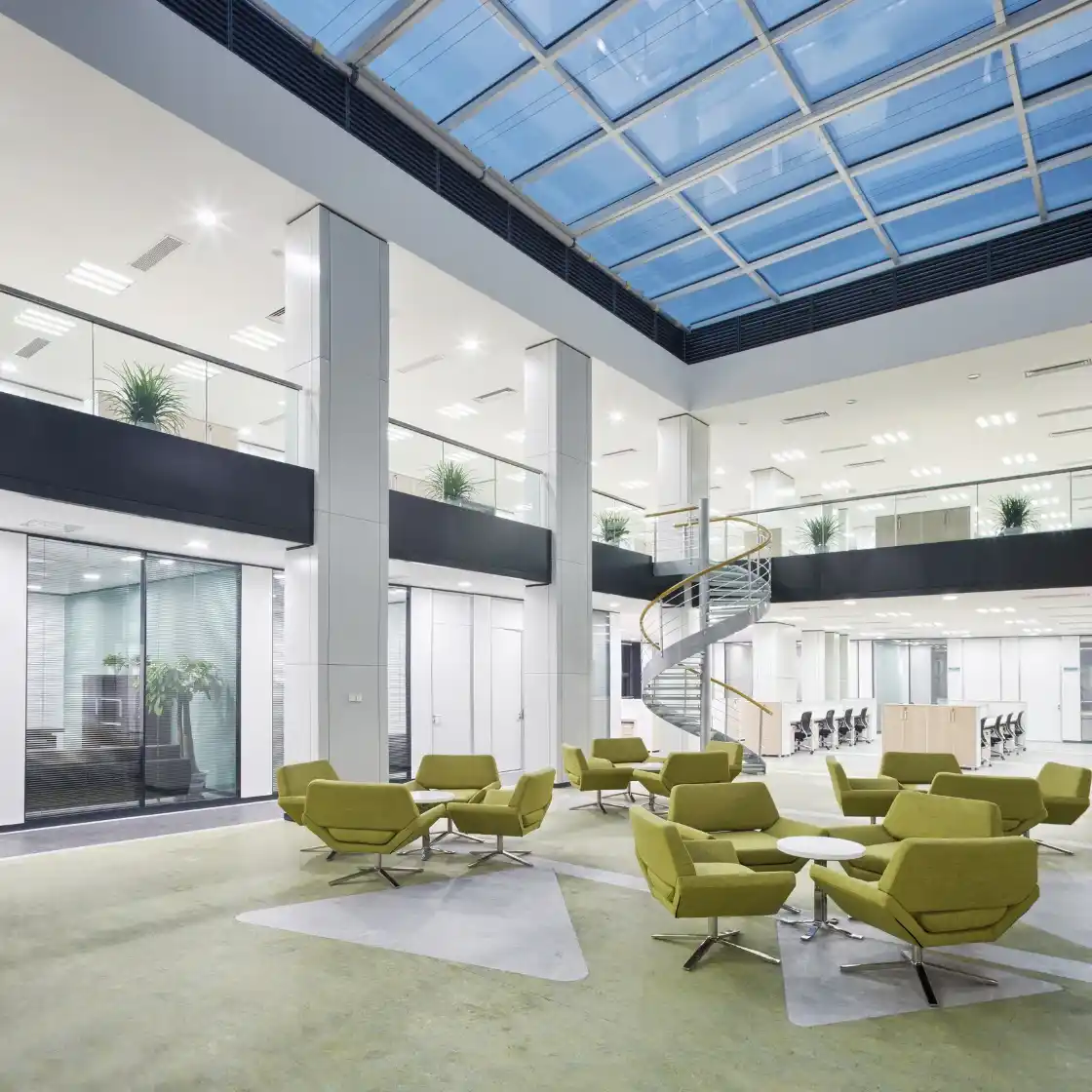
Disorganized workspaces cost businesses thousands of dollars in lost time every single year. When employees spend fifteen minutes searching for a specific file or a spare charging cable, they lose the momentum needed for deep work.
Effective business office organization ideas focus on creating a logical flow that removes these small, daily friction points. Simply buying more plastic bins rarely solves the problem if the underlying layout makes no sense.
An efficient office uses physical systems that are easy to start and even easier to maintain. By organizing the floor plan around actual employee habits, you can transform a chaotic room into a high-performing environment.
In this guide, I will list out fifteen practical strategies to clean up clutter, streamline your workflows, and help your team finish their tasks faster.
What Does an Efficient Workplace Look Like?
An efficient workplace operates without the constant need for "emergency" cleaning or frantic searching. Being in this business, I’ve come across offices where every square foot serves a specific purpose, allowing staff to move between tasks without losing their mental momentum.
Efficiency means your physical layout matches your team's digital workflow. It looks like clear walkways, desks free of permanent clutter, and a supply system that stays stocked because people know where things go.
When you achieve this, you minimize distractions in the workplace, ensuring the physical environment supports high-level thinking rather than hindering it.
Idea #1: Create Clear Zones for Different Types of Work
Mixing loud collaborative areas with deep-focus desks is a recipe for low productivity. The best results come when companies implement strict zoning.
You should designate high-activity zones for brainstorming and client meetings, while keeping low-activity zones strictly for silent, analytical work. This type of office space planning ensures that an impromptu group discussion doesn't derail someone trying to finish a complex spreadsheet.
By separating these functions, you create a psychological cue for employees: when they enter a specific zone, their brains know which work mode to engage.
Idea #2: Keep Desks Organized With a Simple Reset System
Deep cleaning once a month never works because the mess starts accumulating again by Monday morning. Offices can find much more success with a daily reset system. This isn't about perfection; it’s about making sure every desk returns to a neutral state at the end of the shift.
Request staff to clear all loose papers, coffee mugs, and personal items into their designated drawers or lockers before they head home. A clean surface every morning lowers stress levels and allows the team to start their first task immediately, rather than spending ten minutes clearing a space to work.
Idea #3: Use Storage That People Can Actually Maintain
The biggest mistake offices make is buying complex filing systems that require too many steps to use. If it takes more than five seconds to put something away, your team will just leave it on the nearest flat surface.
Instead, use open shelving for frequently used items and deep, labeled bins for long-term storage. Avoid nesting boxes where you have to move three things to reach the fourth.
Simple, accessible storage is the backbone of workplace productivity because it removes the friction of staying organized. When storage is intuitive, the office stays clean without constant supervision or reminders.
Idea #4: Set Up a Better Document Management System
Paper remains one of the greatest threats to a tidy floor plan. Employee desks disappear under mountains of urgent documents that eventually become outdated clutter. To fix this, you should implement a three-tier sorting system: Action, Archive, and Shred.
Action folders hold only the papers required for today’s tasks. Anything needed for long-term records moves immediately to a centralized filing area, while sensitive waste goes straight into a locked shredding bin.
By digitizing as much as possible and keeping physical paper in motion, you prevent stagnant piles from forming. This keeps your high-traffic areas clear and ensures your team doesn't waste hours digging through stacks for a single signature.
Idea #5: Organize Shared Supplies
Nothing kills momentum like a staff member wandering the floor looking for a stapler or a specific HDMI adapter. I recommend creating a centralized supply hub rather than letting materials scatter across various desks.
Use clear, open-top containers so people can see what is in stock at a glance. This setup makes it obvious when you are running low on essentials, preventing last-minute panics before major meetings. By keeping shared tools in one predictable spot, you reduce the time spent on internal logistics and keep the focus on actual work.
Idea #6: Improve Cable Control and Clean Up Hidden Clutter
Exposed tangles of power strips and Ethernet cables make even the most expensive office design for productivity look messy and unprofessional. These cable nests also collect thick layers of dust and create tripping hazards.
You can solve this by using under-desk cable trays or simple cord sleeves to gather wires into a single, clean line. Keeping cables off the floor makes cleaning easier and removes the visual stress of a cluttered workspace. Once the wires are hidden, extend this "hidden clutter" rule to the space under desks. Removing old boxes and unused equipment from legroom areas instantly makes the office feel more spacious and functional.
Idea #7: Give Everything a Fixed Home
Disorder usually happens because an item doesn't have a specific place to live. When a piece of equipment just sits on a communal table, it eventually attracts more random items. You must assign a permanent location for every physical object in the building, from the office projector to the extra packs of printer paper.
When every item has a fixed home, the staff knows where to find what they need and, more importantly, where to put it back.
Idea #8: Make Meeting Spaces Easier to Use and Easier to Reset
Conference rooms deteriorate quickly after back-to-back appointments. Teams leave empty cups, dead markers, and filled whiteboards behind. To stop this cycle, equip every room with a built-in reset kit containing wipes and fresh supplies. Make it a mandatory policy that the person booking the space clears it five minutes before their time ends.
When evaluating meeting room size, remember that massive boardrooms invite more mess. Smaller, purpose-built huddle spaces take less time to tidy, keeping your daily operations moving faster.
Idea #9: Organize the Office Around Workflow, Not Just Appearance
Placing departments based on visual symmetry often destroys daily efficiency. If the accounting team prints daily contracts but the main printer sits three departments away, you force them to waste hours walking across the building.
Try organizing the floor plan by operational sequences. Place teams that collaborate daily right next to each other. Implementing a hybrid office design allows you to map workstations directly to how projects move from start to finish. This direct, logical flow prevents bottlenecks and keeps work moving without unnecessary physical transit.
Idea #10: Use Labels Where They Make Life Easier
Labeling every stapler wastes time, but skipping labels on opaque storage bins guarantees chaos. Apply clear, printed labels to locations where staff regularly experience confusion. Mark the IT server cables, the specific bins for printer toner, and the archive boxes intended for long-term storage.
Standardized text helps new hires navigate the building independently and stops veterans from dumping items into the wrong containers. Keep the descriptions accurate to remove any guesswork.
Idea #11: Cut Visual Noise to Make the Office Feel Calmer
Walking into a workspace covered in outdated memos, random sticky notes, and mismatched vendor posters instantly drains mental energy. Processing this visual clutter distracts the brain before work even begins.
You need to strip away unnecessary visual elements. Clear off the public bulletin boards, enforce a clean-desk policy, and use solid-door cabinets to hide brightly colored binders. A visually calm room directs employee focus straight to their active tasks rather than the surrounding mess.
Idea #12: Create a Better Mail, Package, and Incoming-Item System
Cardboard boxes piling up at the front reception desk make the entire company look disorganized to visiting clients. Without a dedicated system, incoming deliveries sit for days before reaching the correct person.
Build a specific receiving zone away from the main entrance. Implement a strict daily log in which the receptionist notifies the recipient immediately, and set a hard 24-hour rule for package pickup. Moving deliveries out of the lobby gives off a professional appearance and keeps the front corridors completely clear.
Idea #13: Set Up Personal Storage for Staff Without Waste Space
Traditional pedestals under every desk often turn into junk drawers for snacks and old receipts, wasting valuable square footage. Consider moving toward a centralized locker system instead.
Assigning a small, vertical locker to each employee allows them to store their laptop, gym bag, and coat securely without cluttering the main work floor. This approach frees up legroom under desks and makes it much easier for the janitorial staff to clean the surfaces.
Centralizing personal storage allows you to dedicate your floor space to productive workstations rather than bulky, underused furniture.
Idea #14: Keep Break Areas, Kitchens, and Common Spaces Under Control
Shared kitchens deteriorate faster than any other room in the building. Relying on passive-aggressive signs on the refrigerator rarely keeps the counters clean. Build rigid, automated systems for common spaces. Institute a strict rule that the cleaning staff throws away all food in the refrigerator, say, every Friday at 5 PM.
If you are calculating an upcoming office renovation cost, allocate part of the budget to installing industrial-sized trash bins and multiple dishwashers to handle the daily lunch rush. When you provide the right physical tools and set non-negotiable cleaning schedules, the break room stays presentable without constant management intervention.
Idea #15: Build Simple Office Rules People Will Follow
A fifty-page employee handbook about office cleanliness will sit unread in a desk drawer. To keep the workspace organized, implement three or four straightforward rules. Mandate a daily five-minute desk clear-out before closing.
Ask every person to reset the meeting room chairs before they walk out the door. Ban eating hot meals at the main workstations to prevent food odors and keyboard damage. Make these rules highly visible and ensure management follows them daily.
When the guidelines are simple and the leadership sets the standard, the rest of the team adopts the organizational habits naturally.
The Most Common Office Organization Mistakes Businesses Make
Companies spend thousands on new furniture while completely ignoring the daily behaviors that caused the mess in the first place. You cannot buy your way out of a disorganized floor plan.
Purchasing Storage Before Purging: Teams buy dozens of expensive filing cabinets just to hold outdated hardware and dead files that they should throw into the recycling bin. Always purge unnecessary items before measuring the room for new storage solutions.
Building Overcomplicated Systems: If putting away a single supply item takes four distinct steps, your staff will simply stop doing it. Complex organizational rules inevitably lead to clutter piling up on the nearest available table.
Failing to Assign Ownership: Shared zones like printing stations and mailrooms deteriorate rapidly when no single person holds responsibility for keeping them clean. You must assign specific maintenance roles to prevent common areas from becoming dumping grounds.
The Bottom Line
A well-organized workspace serves as the physical foundation for high-level mental output. You are not just cleaning off desks; you are actively removing the hidden hurdles that slow down your team every afternoon.
When the environment makes logical sense, employees spend their energy solving complex business problems instead of hunting for a stapler or an open meeting room. Always remember that maintaining true order requires a commitment to simple, repeatable routines rather than relying on stressful, massive annual cleanups.
Build a layout that respects how your staff operates daily, give every physical item a permanent home, and watch your company's overall performance rise naturally.